Spend $100 to Shop | Enjoy FREE Delivery Over $500

Search

q14-collection

How To Protect Yourself at Work from Chemical Products: A Detailed Guide

Chemical products are an essential element of many professions today. However, there are unfortunately plenty of risks associated with them. According to the Occupational Safety and Health Administration (OSHA), chemical exposure at work causes a substantial number of accidents and illnesses each year. Chemical exposure is, in fact, one of the leading causes of industrial deaths and injuries in the United States. Therefore, it is very important to educate yourself about the chemical-related tasks and know how to protect yourself from them using Personal Protective Equipment such as Fleece safety jackets, hi-vis shirts, leather work gloves, etc.

In this article, we, the trusted PPE suppliers in BC, will walk you through a detailed discussion on how to protect yourself at work from chemical products. Let’s dive into it.  

Educate Yourself

The first step toward protecting yourself from harmful chemicals at work is to educate yourself. Understand the substances with which you deal, as well as their characteristics and possible risks. You should also become acquainted with the Safety Data Sheets (SDS) for each chemical. SDSs include critical information on proper disposal, storage, and response to emergencies.

Personal Protective Equipment (PPE)

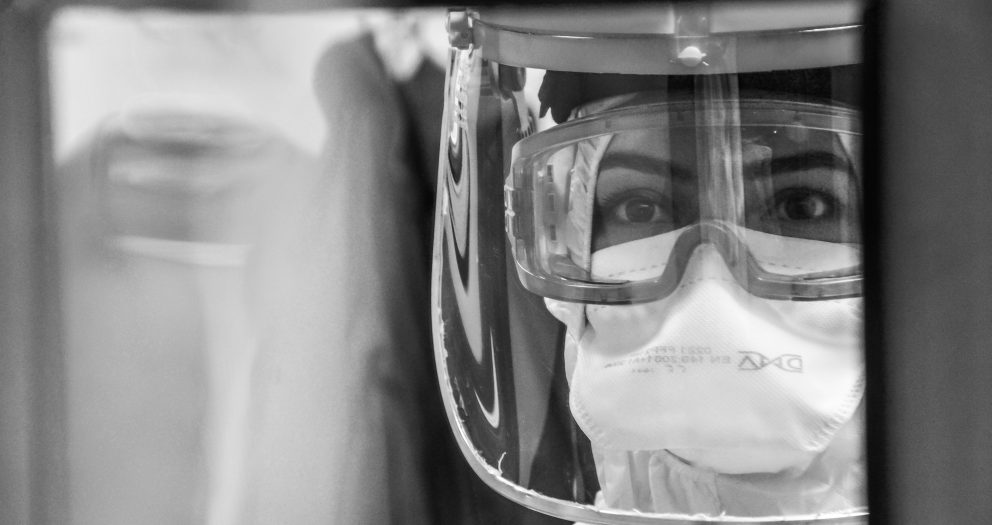
When working with chemicals, it is critical to wear the proper PPE. The sort of PPE necessary may vary depending on the substances you work with. Fleece safety jackets, hi vis shirt, leather work gloves lined, cotton coveralls, and respirators are some common PPE. Check that your personal protective equipment (PPE) fits properly and is in excellent condition.

Types of PPEs

The main categories of PPE are typically divided into four types

Ventilation

Proper ventilation is essential for minimizing chemical exposure. Work in well-ventilated spaces, and ensure that fume hoods and exhaust systems are operational. These devices aid in the removal of potentially hazardous gasses and vapors from your workplace.

Safe Handling and Storage

Stringent procedures for the safe handling and storage of chemicals must be followed at all circumstances. Make sure you label everything correctly and use containers designed specifically for storing chemicals. It is advisable not to store chemical substances that are incompatible together because this could cause them to react, which could be deadly.

Emergency Response

Know the procedures for responding with chemical situations such as spills, leaks, or mishaps. This includes knowing where to find eyewash stations, safety showers, and exits in the event of an emergency. Regular exercise may help you and your coworkers respond more successfully in an emergency situation.

Training

Make it a priority to obtain the appropriate training in chemical safety, both for yourself and for your fellow employees. OSHA mandates that businesses educate their employees about the potential dangers posed by the chemicals that are utilized in the workplace as well as the appropriate safety precautions.

Hygiene and Cleanliness

After handling chemicals, it is important to practice proper personal hygiene by thoroughly washing your hands and changing out of any potentially contaminated clothing. Maintaining a tidy and well-organized workspace can help reduce the likelihood of being involved in an accident.

Reporting

You have a responsibility to immediately inform your supervisor if you are aware of any harmful conditions or improper handling of chemicals. Reporting incidents as soon as possible will help prevent accidents.

Conclusion

It is critical to protect yourself against chemical products at work. You may dramatically reduce the risk of chemical-related injuries by remaining informed, wearing adequate PPE like Fleece safety jackets, hi vis shirt, leather work gloves lined and cotton coveralls, keeping a clean and safe workspace, and learning emergency protocols. Workplace safety is a shared duty, and each employee must take an active role in protecting their health and safety when working with chemical products.

Q14 is a growing PPE supplier in BC. Contact us today for reliable PPE for your workers safety.

A Comprehensive Guide to Safety Vests: Uses and Types

When it comes to work, safety is the most crucial consideration, especially in hazardous working environments. According to research, every year in the United States, over 2.8 million non-fatal occupational injuries are reported. This indicates the gravity of the matter. Personal Protective Equipment (PPE), such as safety vests, zippered safety vests, hi-vis surveyor vests, fleece safety jackets, etc., can help reduce these injuries. However, among all of them, safety vests are critical in safeguarding the safety of workers in a variety of sectors.

Q14- a fast-growing Safety vests supplier in BC- brings you this blog article to shed light on its uses and types of safety vests generally available in the market. Here we go!

What Are Safety Vests?

Safety vests, often known as high-visibility vests, are specialized clothes meant to make workers more visible at the workplace. They're usually made out of vividly colored, fluorescent materials like orange, yellow, or lime green. The primary function of these vests is to increase visibility, particularly in poor light or in congested areas. 

Worry where to get them? Well, you can get them from any Safety vest supplier in BC.

Types of Safety Vests

There are several types of safety vests like; each specialized to specific tasks and industries. Here's a closer look at the most frequent types:

Class 1 Safety Vests

These vests are great for low-risk locations such as warehouses and construction sites. They provide a fundamentally improved level of visibility and are most frequently seen on people working in warehouses, parking lots, and delivery services.

Class 2 Safety Vests

They are designed for jobs that require higher visibility and come in various colors. Workers commonly use these vests in occupations such as road construction, surveying, and airport ground services. In order to increase their visibility, they frequently have additional reflective stripes.

Class 3 Safety Vests

Class 3 vests are used when the maximum level of visibility is required. They are preferred by emergency responders, highway workers, and anyone working in adverse weather conditions since they have long sleeves. In low-visibility conditions, these vests are your best chance for ultimate safety.

Flame-Resistant Safety Vests

Vests specifically built to withstand flames are in high demand in industries like the oil and gas industry, which face a significantly increased danger of fires and explosions. Workers who are in potentially hazardous locations should wear these vests as an additional layer of protection. You can get these flame-resistant safety vests here.

Mesh Safety Vests

These vests were made specifically for hot weather and feature breathable mesh fabric to keep workers cool while they are on the job. Those who work in places where the temperature is high yet they still need to be visible absolutely need to have this.

Breakaway Safety Vests

Breakaway safety vests are a lifesaver in situations where machinery or equipment could grab on a vest. These vests have quick-release elements that allow them to break free in the event of entanglement, lowering the danger of damage.

Uses of Safety Vests

Safety vests are used for a variety of functions including:

Construction

Construction sites are alive with activity and big machinery. Workers wear safety vests for e.g hi vis surveyor vest, and zippered safety vest, to make themselves visible to heavy equipment operators, lowering the likelihood of an accident. 

Transportation

Safety vests are required for truck drivers on busy highways, railway workers on active train tracks, and airport personnel operating planes on runways. They aid in maintaining visibility in complex and possibly hazardous conditions.

Emergency Services

High-visibility vests are used by police officers, paramedics, and firefighters to stay safe when responding to emergencies. These vests are crucial for protecting people who protect us in chaotic and high-risk situations.

Cycling and Running

Outside of the workplace, many cyclists and runners wear hi-vis safety vests for increased visibility during early morning or late-night activities. These vests improve personal safety by increasing visibility to motorists.

Manufacturing

Workers in industry environments with packed production zones typically wear safety vests like zippered safety vest, hi vis surveyor vest, as a preventative measure against accidents. In areas where visibility is absolutely essential, these vests contribute to the order and safety that is maintained there.

Event Management

At large events such as concerts and sporting contests, the flow of people is managed by staff from the traffic control department. Their outfit consists of reflective and hi vis safety vests, which enable them to effectively and safely direct people through a variety of access and exit points.

Bottom Line

Safety vests are more than clothing—they protect workers from harm. Workers can significantly reduce their risk of accidents and injuries by choosing and wearing the correct safety vest. Always remember that being visible at work is a simple yet effective safety measure. In a world full of accidents, safety vests provide protection and show caring. 

So, step up and take safety measures for your workers by ordering reliable safety vests from one of the trusted safety vest suppliers in BC here.

How are Leather Work Gloves made?

Did you know that leather work gloves have long been a staple in many industries, with over 70% of construction, manufacturing, and gardening workers relying on their durability and protection? These gloves go through a complex and intricate procedure that starts with the selection of high-quality materials and finishes with a product that can withstand the rigors of difficult work situations.

Let's take a closer look at the process that these gloves go through from raw components to the finished products.

Material Selection

The selection of high-quality leather hides is the first step in the leatherwork glove-making process. Cowhide, goatskin, deerskin, and pigskin are commonly used due to their durability and flexibility. The skins are meticulously inspected to ensure they match the requirements for the production of robust work gloves.

Tanning and Preparation of Leather Gloves

Tanning and preparation is the second step of the process. To preserve and strengthen the leather, the chosen hides are tanned. Tanning can be done in a variety of ways, including chrome tanning, vegetable tanning, and synthetic tanning. This stage not only keeps the leather from decaying but also makes it more flexible for comfortable wear.

Cutting and Stitching of Leather Gloves

The next step in the process of making leather work gloves is cutting and stitching. When the leather is ready, it's time to cut it very carefully. Leather hides are marked with patterns, and precise cutting tools are used to make sure the patterns are cut out correctly. The pieces are then stitched by skilled workers or machines doing this process. 

Reinforcements, and Finishing Touches of Leather Gloves

To make the leather work gloves lined more resistant to wear and tear, reinforcements like extra layers of leather or padding are added to the palms and fingers of the gloves. This stage also involves adding closures, linings, or cuffs based on the specific design of the gloves. 

Quality Control

A series of stringent quality checks are performed on the gloves before it is finalized that they are ready for distribution. To guarantee that each pair satisfies the requirements set forth by the organization, it is necessary to inspect them for flaws and verify the quality of the stitching. 

Packaging and Distribution

After the gloves have completed the quality control step, they are then packaged and made ready for distribution. These gloves are now ready to give protection and durability in a variety of work contexts, such as industrial use, construction, gardening, or any other function.

Conclusion

To summarize, the Leather work gloves are a blend of traditional craftsmanship and modern technology, showcasing the expertise of artisans. They protect demanding work environments and embody hard work and dedication, with each step contributing to functionality and durability. Shop today for high-quality gloves.

Back to Top
Product has been added to your cart