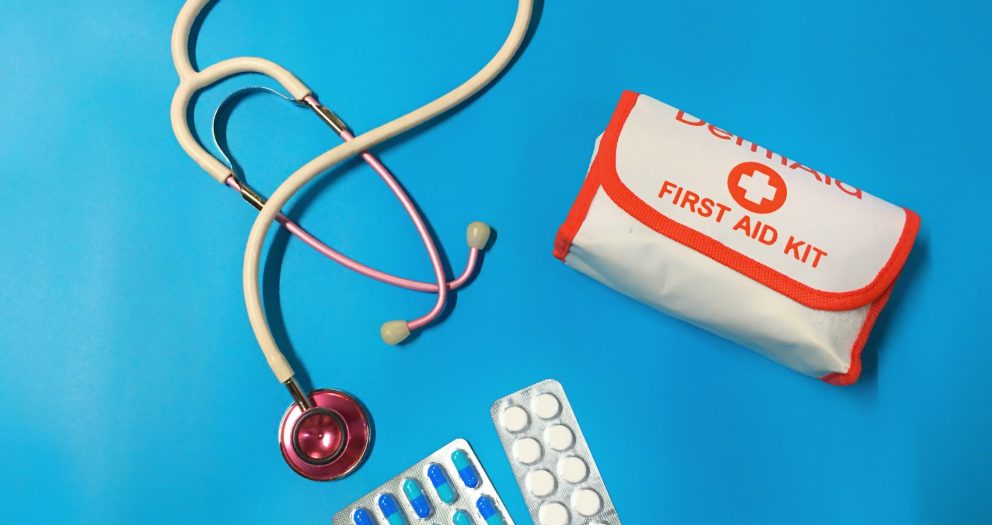
Why First Aid Box in the Workplace is so Important!
What would you do if an emergency happened at work? Whether it’s a small cut, a burn, or something more serious, quick access to a first aid box can make all the difference. Workplace accidents are unpredictable, but adequate preparation can save time, reduce injuries, and even save lives in case of any misshapen.
Here’s why every workplace needs a well-stocked first aid kit and what makes it so essential.
1. Quick Response to Injuries
Accidents can happen in any workplace, be it an offices or a construction site. A slip, a fall, or a sharp object can cause unexpected injuries at workspace. With a first aid kit on hand, employees can respond immediately. Treating minor wounds, like cuts or scrapes, right away can prevent infections which, otherwise, can cause massive damage in long run. For severe injuries, first aid provides temporary care until medical professionals arrive.
2. Reducing the Severity of Injuries
Studies show that proper first aid reduces the severity of many injuries. For example:
- Applying a cold pack immediately to a sprain can minimize swelling.
- Cleaning and bandaging a wound can lower the risk of complications.
In fact, treating minor issues quickly often prevents them from becoming major problems, which can reduce recovery times and help employees get back to work faster.
3. Meeting Workplace Safety Standards
Employers have a legal responsibility to ensure workplace safety. In many regions, OSHA (Occupational Safety and Health Administration) or similar organizations require businesses to have first aid boxes available. These boxes must be easy to access and regularly checked to ensure they are fully stocked. By having a first aid kit, businesses comply with regulations and show their commitment to the well-being of their employees.
4. Boosting Employee Confidence
A workplace equipped with safety tools fosters trust and confidence. Employees feel safer knowing their employer cares about their health. This peace of mind leads to increased productivity and a better work environment. In a survey, 83% of employees said they feel more secure working in places that prioritize safety.
5. Handling Workplace-Specific Risks
Different risks are associated with different workplaces:
- Offices: Paper cuts, eye strain, or tripping hazards.
- Factories: Burns, cuts, or exposure to chemicals.
- Restaurants: Knife injuries, slips, or hot oil burns.
First aid kits tailored to specific risks help employees address common workplace injuries effectively. For example, a restaurant first aid kit might include burn cream and eye wash, while a construction kit could have splinting materials.
6. Saving Lives in Emergencies
Emergencies like heart attacks or severe bleeding require immediate action. Having items like gloves, CPR masks, and gauze in your kit can make a difference between life and death. In the U.S., about 350,000 cardiac arrests happen outside hospitals annually. With CPR supplies and basic training, workplaces can empower employees to respond in critical moments.
7. Cost-Effective and Preventive
First aid boxes save money by reducing workplace downtime and medical expenses. Treating a minor injury on-site is far cheaper than sending an employee to the emergency room. Additionally, they reduce the likelihood of lawsuits by proving a company takes safety seriously.
What Should Be in a Workplace First Aid Kit?
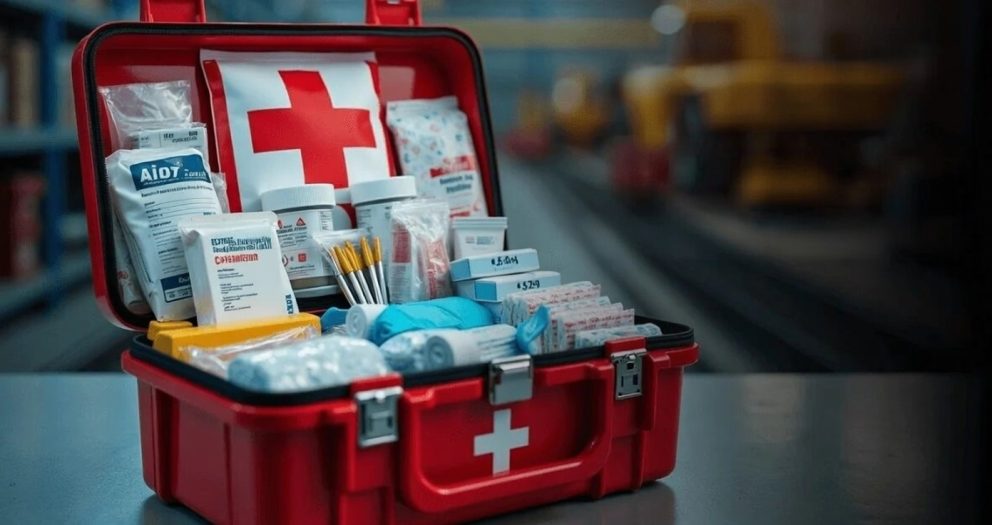
A standard workplace first aid kit should include:
- Bandages (various sizes)
- Antiseptic wipes
- Burn cream or gel
- Cold packs
- Tweezers and scissors
- Gloves
- CPR mask
Tailoring your kit to your workplace’s specific needs ensures better readiness.
How Often Should You Check Your First Aid Kit?
Regular checks are essential to ensure your first aid kit is effective. Replace expired items and restock used supplies every six months or as needed. Assign someone in charge of maintaining the kit to ensure it’s always ready when needed.
Conclusion
A first aid box is more than just a box of supplies; it’s a symbol of preparation and care. By having one readily available, businesses protect their employees, meet safety requirements, and create a safer, more productive work environment.Take action today by evaluating your workplace safety measures with q14’s superior quality First Aid Box and other safety essentials. Remember, preparation is the key to preventing tragedy and ensuring a safe, productive work environment.