
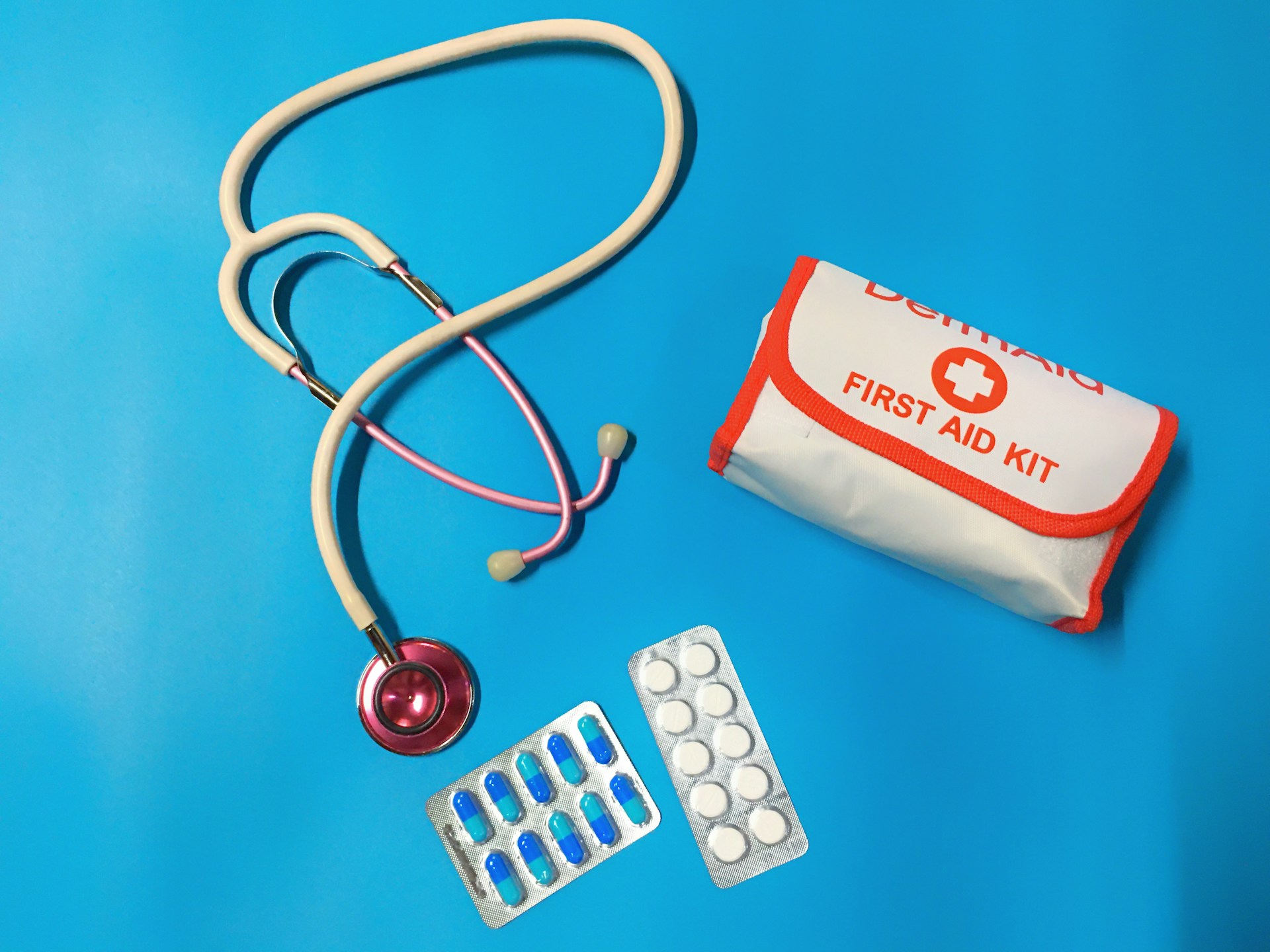
Workplace safety starts with preparation, and a well-stocked first aid kit is a crucial part of that. Whether your workplace is an office, a construction site, or a warehouse, having the right supplies readily available can make a significant difference in handling injuries and emergencies.
This article provides a detailed checklist of what every workplace first aid kit should include and offers practical tips to ensure you’re well-prepared for any situation.
Why is a First Aid Kit Important?
A first aid kit is your first line of defense in workplace emergencies. It bears the same importance Personal Protective Equipment does. It’s more than just a legal requirement in many regions; it’s a critical tool for responding to emergencies. With a well-prepared kit, you can:
- Prevent minor injuries from becoming major ones
- Provide immediate care during emergencies
- Create a culture of safety and preparedness
Essentials for Every Workplace First Aid Kit
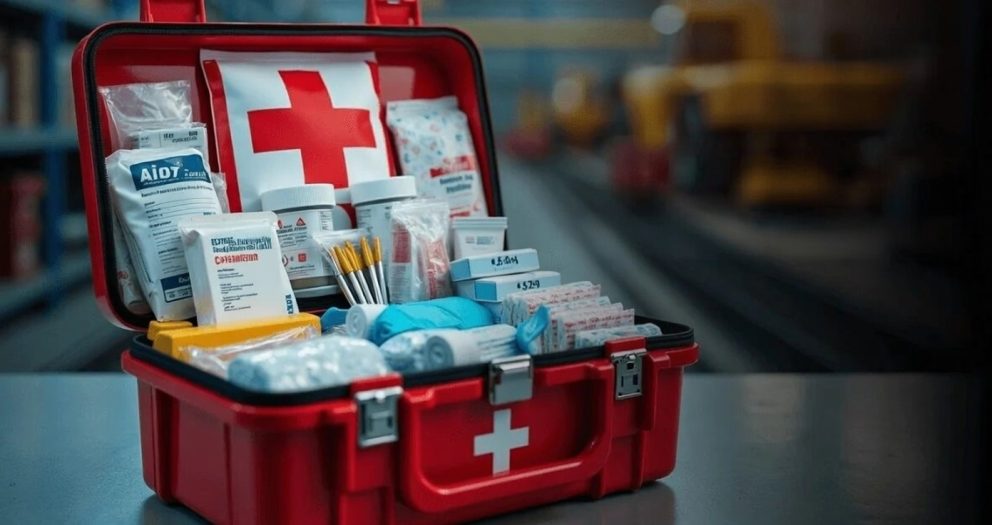
To effectively respond to common workplace injuries, your first aid box must have key supplies. These items ensure you can handle a variety of situations, from minor scrapes to more serious incidents.
1. Wound Care Supplies
- Adhesive bandages (assorted sizes)
- Sterile gauze pads and rolls
- Antiseptic wipes or solution
- Adhesive tape
- Wound closure strips
- Scissors (preferably blunt-tip)
2. Burn Treatment
- Burn dressings or burn gel
- Non-stick dressings
3. Eye Care
- Eye wash solution (saline or sterile water)
- Eye pads
4. Personal Protection
- Disposable gloves (latex-free)
- Face masks
- CPR mask or shield
5. Pain Relief and Medications
- Over-the-counter pain relievers (e.g., ibuprofen, acetaminophen)
- Antihistamines for allergic reactions
- Antacids for mild indigestion
- Cold packs for swelling
6. Injury Support
- Triangular bandages (for slings)
- Elastic bandages (for sprains or strains)
- Splints for immobilizing injuries
7. Other Essentials
- Tweezers (for splinters or debris)
- Safety pins
- Thermometer (digital or disposable)
- Emergency blanket (for shock or hypothermia)
- Instant cold packs
Additional Items for High-Risk Workplaces
Some workplaces have unique risks that require specialized first aid items. Consider these additions:
- AED (Automated External Defibrillator) for cardiac emergencies
- Tourniquets for controlling severe bleeding
- Chemical neutralizers or specific antidotes for handling hazardous substances
- Hard splints for immobilizing broken bones
Tips for Maintaining a Workplace First Aid Box
1. Conduct Regular Inspections
Check the contents of your first aid box at least once a month. Look for expired items and replace them promptly.
2. Keep it Accessible
Place first aid boxes in easily accessible locations known to all employees. For larger workplaces, have multiple boxes in key areas.
3. Tailor to Your Workplace Needs
Customize the contents based on your workplace hazards. For example, a kitchen will need burn treatments, while a factory might need splints and eye wash.
4. Train Employees
Ensure employees know how to use the items in the first aid box. Basic first aid training goes a long way in effective response.
5. Document Usage
Keep a log of when items are used. This helps you track replenishment needs and monitor the frequency of workplace injuries.
Conclusion
A workplace first aid kit is a small investment with massive benefits. It ensures quick and effective responses to injuries, reduces the risk of complications, and promotes a safer work environment.
Review the checklist above and assess your current first aid kit. If it’s missing any items, take action today. In case you are struggling to get superior quality items, shop at q14.ca now.
Write a comment
Your email address will not be published. All fields are required