Spend $100 to Shop | Enjoy FREE Delivery Over $500

Search

Why First Aid Box in the Workplace is so Important!

What would you do if an emergency happened at work? Whether it’s a small cut, a burn, or something more serious, quick access to a first aid box can make all the difference. Workplace accidents are unpredictable, but adequate preparation can save time, reduce injuries, and even save lives in case of any misshapen.

Here’s why every workplace needs a well-stocked first aid kit and what makes it so essential. 

1. Quick Response to Injuries

Accidents can happen in any workplace, be it an offices  or a construction site. A slip, a fall, or a sharp object can cause unexpected injuries at workspace. With a first aid kit on hand, employees can respond immediately. Treating minor wounds, like cuts or scrapes, right away can prevent infections which, otherwise, can cause massive damage in long run. For severe injuries, first aid provides temporary care until medical professionals arrive.

2. Reducing the Severity of Injuries

Studies show that proper first aid reduces the severity of many injuries. For example:

  • Applying a cold pack immediately to a sprain can minimize swelling.
  • Cleaning and bandaging a wound can lower the risk of complications.

In fact, treating minor issues quickly often prevents them from becoming major problems, which can reduce recovery times and help employees get back to work faster.

3. Meeting Workplace Safety Standards

Employers have a legal responsibility to ensure workplace safety. In many regions, OSHA (Occupational Safety and Health Administration) or similar organizations require businesses to have first aid boxes available. These boxes must be easy to access and regularly checked to ensure they are fully stocked. By having a first aid kit, businesses comply with regulations and show their commitment to the well-being of their employees.

4. Boosting Employee Confidence

A workplace equipped with safety tools fosters trust and confidence. Employees feel safer knowing their employer cares about their health. This peace of mind leads to increased productivity and a better work environment. In a survey, 83% of employees said they feel more secure working in places that prioritize safety.

5. Handling Workplace-Specific Risks

Different risks are associated with different workplaces:

  • Offices: Paper cuts, eye strain, or tripping hazards.
  • Factories: Burns, cuts, or exposure to chemicals.
  • Restaurants: Knife injuries, slips, or hot oil burns.

First aid kits tailored to specific risks help employees address common workplace injuries effectively. For example, a restaurant first aid kit might include burn cream and eye wash, while a construction kit could have splinting materials.

6. Saving Lives in Emergencies

Emergencies like heart attacks or severe bleeding require immediate action. Having items like gloves, CPR masks, and gauze in your kit can make a difference between life and death. In the U.S., about 350,000 cardiac arrests happen outside hospitals annually. With CPR supplies and basic training, workplaces can empower employees to respond in critical moments.

7. Cost-Effective and Preventive

First aid boxes save money by reducing workplace downtime and medical expenses. Treating a minor injury on-site is far cheaper than sending an employee to the emergency room. Additionally, they reduce the likelihood of lawsuits by proving a company takes safety seriously.

What Should Be in a Workplace First Aid Kit?

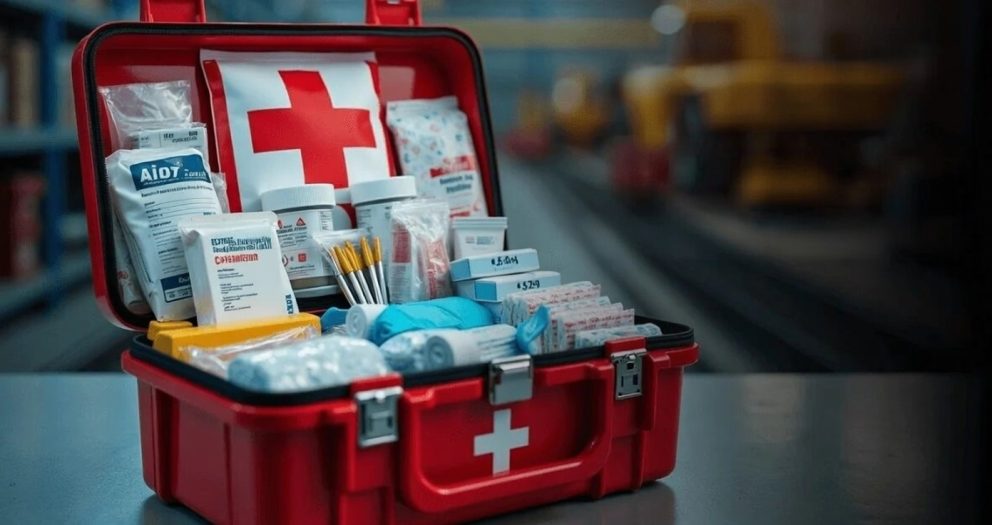
A standard workplace first aid kit should include:

  • Bandages (various sizes)
  • Antiseptic wipes
  • Burn cream or gel
  • Cold packs
  • Tweezers and scissors
  • Gloves
  • CPR mask

Tailoring your kit to your workplace’s specific needs ensures better readiness.

How Often Should You Check Your First Aid Kit?

Regular checks are essential to ensure your first aid kit is effective. Replace expired items and restock used supplies every six months or as needed. Assign someone in charge of maintaining the kit to ensure it’s always ready when needed.

Conclusion

A first aid box is more than just a box of supplies; it’s a symbol of preparation and care. By having one readily available, businesses protect their employees, meet safety requirements, and create a safer, more productive work environment.Take action today by evaluating your workplace safety measures with q14’s superior quality First Aid Box and other safety essentials. Remember, preparation is the key to preventing tragedy and ensuring a safe, productive work environment.

What should be in the First Aid Kit at Work? A comprehensive checklist

Workplace safety starts with preparation, and a well-stocked first aid kit is a crucial part of that. Whether your workplace is an office, a construction site, or a warehouse, having the right supplies readily available can make a significant difference in handling injuries and emergencies.

This article provides a detailed checklist of what every workplace first aid kit should include and offers practical tips to ensure you're well-prepared for any situation.

Why is a First Aid Kit Important?

A first aid kit is your first line of defense in workplace emergencies. It bears the same importance Personal Protective Equipment does. It’s more than just a legal requirement in many regions; it’s a critical tool for responding to emergencies. With a well-prepared kit, you can:

  • Prevent minor injuries from becoming major ones
  • Provide immediate care during emergencies
  • Create a culture of safety and preparedness

Essentials for Every Workplace First Aid Kit

To effectively respond to common workplace injuries, your first aid box must have key supplies. These items ensure you can handle a variety of situations, from minor scrapes to more serious incidents.

1. Wound Care Supplies

  • Adhesive bandages (assorted sizes)
  • Sterile gauze pads and rolls
  • Antiseptic wipes or solution
  • Adhesive tape
  • Wound closure strips
  • Scissors (preferably blunt-tip)

2. Burn Treatment

  • Burn dressings or burn gel
  • Non-stick dressings

3. Eye Care

  • Eye wash solution (saline or sterile water)
  • Eye pads

4. Personal Protection

  • Disposable gloves (latex-free)
  • Face masks
  • CPR mask or shield

5. Pain Relief and Medications

  • Over-the-counter pain relievers (e.g., ibuprofen, acetaminophen)
  • Antihistamines for allergic reactions
  • Antacids for mild indigestion
  • Cold packs for swelling

6. Injury Support

  • Triangular bandages (for slings)
  • Elastic bandages (for sprains or strains)
  • Splints for immobilizing injuries

7. Other Essentials

  • Tweezers (for splinters or debris)
  • Safety pins
  • Thermometer (digital or disposable)
  • Emergency blanket (for shock or hypothermia)
  • Instant cold packs

Additional Items for High-Risk Workplaces

Some workplaces have unique risks that require specialized first aid items. Consider these additions:

  • AED (Automated External Defibrillator) for cardiac emergencies
  • Tourniquets for controlling severe bleeding
  • Chemical neutralizers or specific antidotes for handling hazardous substances
  • Hard splints for immobilizing broken bones

Tips for Maintaining a Workplace First Aid Box

1.  Conduct Regular Inspections
Check the contents of your first aid box at least once a month. Look for expired items and replace them promptly.

2.  Keep it Accessible
Place first aid boxes in easily accessible locations known to all employees. For larger workplaces, have multiple boxes in key areas.

3.  Tailor to Your Workplace Needs
Customize the contents based on your workplace hazards. For example, a kitchen will need burn treatments, while a factory might need splints and eye wash.

4.  Train Employees
Ensure employees know how to use the items in the first aid box. Basic first aid training goes a long way in effective response.

5.  Document Usage
Keep a log of when items are used. This helps you track replenishment needs and monitor the frequency of workplace injuries.

Conclusion

A workplace first aid kit is a small investment with massive benefits. It ensures quick and effective responses to injuries, reduces the risk of complications, and promotes a safer work environment.

Review the checklist above and assess your current first aid kit. If it’s missing any items, take action today. In case you are struggling to get superior quality items, shop at q14.ca now.

6 Reasons why Hi Vis Hoodies are a Must-Have for Outdoor Workers

In an outdoor work environment, safety is the top priority, and poor visibility is a significant risk factor. In fact, nearly 60% of worksite accidents are due to visibility issues. This risk only increases in harsh weather conditions like heavy rain or fog. That's where Hi Vis hoodies come in. They are not just warm and comfortable; they are vital for keeping workers visible and safe. In this blog, we’ll explore six key reasons why Hi Vis hoodies are a must-have for anyone working outdoors.

1. Improved Visibility and Safety

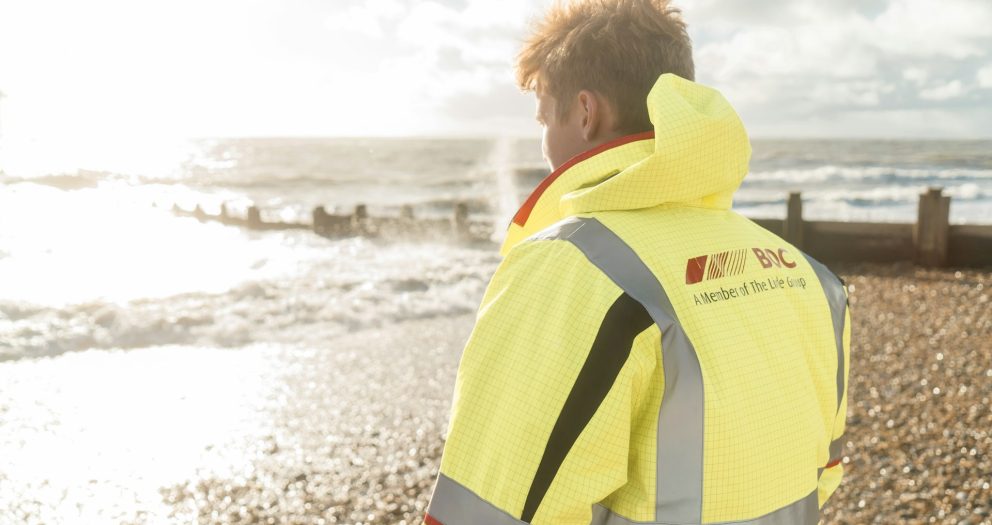
There are many safety products a person needs to have when working on site; Hi Vis hoodies is one of them. Its main goal is to make sure that workers stand out and can be easily seen by others. Hi Vis hoodies are designed with bright colors like neon yellow, orange, and lime green, often paired with reflective strips. These features ensure that workers are visible even in low light, such as early mornings, late evenings, or during bad weather.

For outdoor workers, this enhanced visibility can mean the difference between a safe day on the job and a potential accident. Whether on a construction site, a roadside project, or a delivery route, being visible to drivers, machinery operators, and fellow workers is crucial. Hi Vis hoodies help reduce accidents by ensuring everyone knows where workers are and what they’re doing.

2. Weather Protection and Comfort

Working outdoors often means dealing with all kinds of weather. Hi Vis hoodies provide a layer of protection against the elements, from the hot sun to cold, wet conditions. Made from durable, weather-resistant materials, these hoodies help shield workers from wind, rain, and chilly temperatures.

The hood offers extra protection for the head and neck, areas that are often exposed. Staying warm and dry is crucial for maintaining focus and energy. A cold, wet worker is more likely to make mistakes. Hi Vis hoodies help keep workers comfortable, which is essential for staying safe on the job.

3. Built to Last

Outdoor work is tough, and Hi Vis hoodies are made to handle it. These hoodies are constructed from high-quality, durable materials like polyester, which can withstand daily wear and tear.

Whether it’s brushing against rough surfaces, getting caught in machinery, or facing harsh weather, Hi Vis hoodies are designed to last. Reinforced stitching and strong fabrics ensure that these hoodies won’t easily rip or fray, providing long-lasting protection for workers.

4. Versatility for All Work Environments

One of the best things about Hi Vis hoodies is their versatility. They are suitable for a wide range of outdoor jobs, from construction sites and warehouses to delivery services and roadside maintenance. Their design allows for easy layering, making them adaptable to different weather conditions and seasons.

In warmer months, they can be worn over a t-shirt for added visibility without overheating. In colder months, they can be layered under a heavier jacket for warmth while still providing the necessary high visibility. This versatility makes Hi Vis hoodies a smart investment for any outdoor worker.

5. Meeting Safety Regulations

In many industries, wearing Hi Vis clothing isn’t just recommended—it’s required by law. Occupational safety regulations often mandate that workers in certain jobs wear high-visibility gear to reduce the risk of accidents. Hi Vis hoodies help workers meet these requirements, keeping them safe and avoiding fines or legal issues for employers.

For example, in construction, roadwork, and some delivery services, Hi Vis clothing is mandatory. By providing workers with Hi Vis hoodies, employers ensure compliance with these regulations while offering a comfortable, practical garment.

6. Boosting Team Morale and Professionalism

Lastly, Hi Vis hoodies can boost team morale and give a professional look to a work crew. When workers wear high-quality, uniform clothing, it creates a sense of unity and pride. Workers feel valued when they are provided with gear that is both functional and comfortable.

A team wearing matching Hi Vis hoodies presents a professional image to clients, passersby, and the public. This professional appearance can enhance a company’s reputation, leading to more business opportunities and a positive work environment.

Conclusion: More than Just a Hoodie

Hi Vis hoodies are much more than just another piece of work wear. They are essential for safety, comfort, and professionalism in outdoor work environments. By improving visibility, providing weather protection, offering durability, ensuring compliance with safety regulations, and boosting team morale, Hi Vis hoodies prove their worth as a must-have for any outdoor worker.

Still worried about where to get high quality Hi Vis Hoodies? Q14 is here to offer you superior quality hoodies your employees can count on during their job. Order now!

Upgrade Your Lightweight Overalls: 5 Simple Tips to Consider

According to a recent study, lightweight overalls have become a staple in many wardrobes, offering comfort and versatility for various occasions. Whether you wear them for work or play, there are simple ways to enhance their functionality and style.

In this article, we’ll explore five tips to help you upgrade your lightweight overalls effortlessly.

1. Choose Quality Fabric

The first step in upgrading your lightweight overalls is to choose the right fabric. Opt for durable materials like cotton or denim that offer both comfort and longevity. Look for fabrics with a bit of stretch to allow for freedom of movement, especially if you’re wearing them for activities that require bending or squatting. Plus, also consider the nature of work you are doing while wearing these overalls. Because jobs like welding or brazing require fire resistant overalls to provide you better safety. Quality fabric will not only feel better against your skin but will also hold up better wash after wash.

2. Customize with Patches or Embroidery

Add a personal touch to your lightweight overalls by customizing them with patches or embroidery. Whether you want to showcase your favorite band, sports team, or simply add a pop of color, patches and embroidery allow you to express your individual style. You can either sew them on yourself or take them to a tailor for a professional finish. Not only will this upgrade add visual interest to your overalls, but it will also make them uniquely yours.

3. Upgrade Hardware

Another simple way to enhance your lightweight overalls is to upgrade the hardware. Replace worn-out buttons or buckles with new ones for a fresh look. Consider opting for metallic hardware in gold or silver tones to add a touch of sophistication. You can also experiment with different shapes and designs to complement your personal style. Swapping out hardware is a quick and easy upgrade that can make a big difference in the overall appearance of your overalls.

4. Layer with Stylish Tops

Take your lightweight overalls to the next level by layering them with stylish tops. Whether you prefer a fitted t-shirt for a casual look or a flowing blouse for a more polished ensemble, the options are endless. Play with different colors, patterns, and textures to create unique combinations that reflect your personality. Layering not only adds visual interest but also allows you to adapt your overalls to different seasons and occasions effortlessly.

5. Accessorize Thoughtfully

Finally, don’t forget to accessorize your lightweight overalls thoughtfully. Add a belt to define your waist and create a more flattering silhouette. Experiment with statement jewelry, such as chunky necklaces or bold earrings, to elevate your look. Complete the ensemble with stylish footwear, whether it’s sneakers for a laid-back vibe or ankle boots for a more refined aesthetic. Accessories are the finishing touches that tie your outfit together and showcase your attention to detail.

Conclusion

In conclusion, upgrading your lightweight overalls doesn’t have to be complicated. By following these five simple tips, you can elevate their style and functionality effortlessly. From choosing quality fabric to accessorizing thoughtfully, small changes can make a big difference in the overall look and feel of your overalls. So why wait? Put these tips into action and enjoy a refreshed wardrobe staple that reflects your unique sense of style.

We have been providing high quality upgraded overalls and other Safety Products to enhance your safety. Without delay, shop at Q14 today!

7 Benefits of Lined Leather Work Gloves You Simply Can’t Overlook

To be successful in the fast-paced world of physical labor, it is essential to outfit yourself with the appropriate gear. Amidst the abundance of possibilities, lined leather work gloves stand out as a powerhouse in terms of providing both comfort and hand protection. These gloves are a must-have for any professional. 

Let's look into the undeniable benefits that set these gloves apart from the competition.

1. Supreme Durability

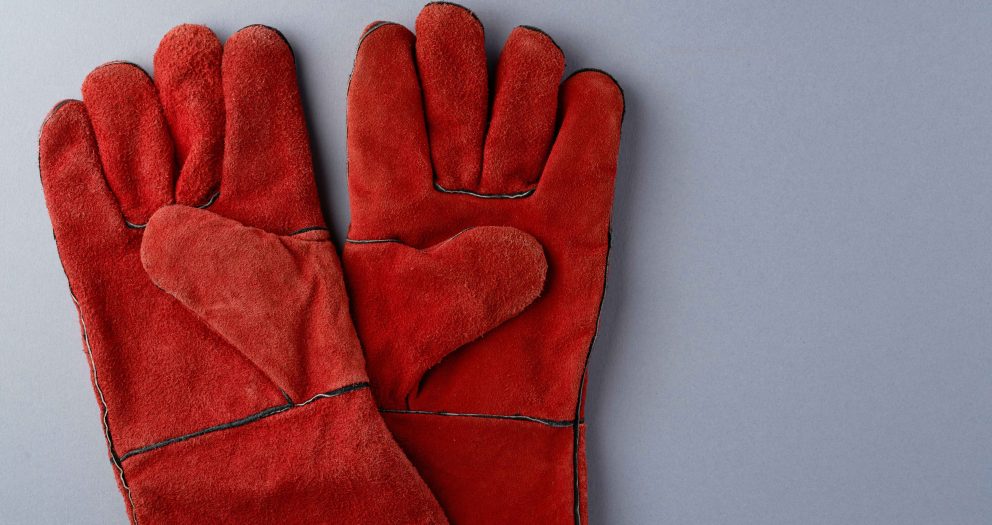
Work gloves made of leather, which is known for its tough nature, are a durable shield against wear and tear.  According to a recent survey, leather gloves exhibit a 20 % longer lifespan compared to synthetic alternatives, making them cost-effective and sustainable choices for industries requiring robust hand protection. 

2. Unparalleled Protection

When it comes to PPE, protection is the top most priority. Work gloves made of leather and lined with a protective material are a formidable opponent when it comes to the protection of your hands. The architecture, which consists of two layers, functions as a powerful barrier that protects against cuts, abrasions, and other hazards that may be present in the workplace.

3. Optimal Comfort

When working for extended periods of time, comfort cannot be compromised. Statistics show that 40 % decrease in reported discomfort and skin-related problems among workers who opt for leather work gloves. The interior of these gloves features a lining that not only adds an additional layer of cushioning but also controls temperature, ensuring that your hands will be comfortable and free of sweat at all times.

4. Enhanced Grip

For a project to be completed successfully, it is essential to keep a firm hold on the tools and equipment. Work gloves made of leather have a rough surface and an inner that is lined; this combination results in an increased grip, which in turn lowers the risk of accidents and increases overall productivity. Studies indicate a 25% increase in task efficiency when using leather work gloves.

5. All-Weather Utility

Leather work gloves that are lined are up to the challenge of working in any situation, regardless of the weather. Because the leather is impervious to moisture and the lining provides insulation, these gloves are quite adaptable. They may be worn throughout the sweltering summer months as well as the freezing winter months.

6. Versatility in Application

The adaptability of these gloves is demonstrated by their use in a variety of settings, including gardening and automotive work. Due to the durability of the leather and the addition of the lining, they are appropriate for a wide variety of activities and can effortlessly adjust to a number of different work conditions.

7. Style Meets Functionality

In addition to the benefits they offer in a practical sense, leather work gloves lined emanate a classic aesthetic. The timeless style not only lends an air of professionalism to an outfit but also conveys a dedication to the highest possible standards of quality and handiwork.

Bottom Line 

To summarize, the advantages of leather work gloves coated with other materials extend far beyond the realm of simple protection. They offer the ideal balance of durability, comfort, and style, making them a vital friend for anybody navigating the obstacles of physical labor. They are also quite stylish. The purchase of these gloves is a relatively small financial outlay that will yield significant benefits in the form of increased protection and overall job satisfaction.

q14-collection

How To Protect Yourself at Work from Chemical Products: A Detailed Guide

Chemical products are an essential element of many professions today. However, there are unfortunately plenty of risks associated with them. According to the Occupational Safety and Health Administration (OSHA), chemical exposure at work causes a substantial number of accidents and illnesses each year. Chemical exposure is, in fact, one of the leading causes of industrial deaths and injuries in the United States. Therefore, it is very important to educate yourself about the chemical-related tasks and know how to protect yourself from them using Personal Protective Equipment such as Fleece safety jackets, hi-vis shirts, leather work gloves, etc.

In this article, we, the trusted PPE suppliers in BC, will walk you through a detailed discussion on how to protect yourself at work from chemical products. Let’s dive into it.  

Educate Yourself

The first step toward protecting yourself from harmful chemicals at work is to educate yourself. Understand the substances with which you deal, as well as their characteristics and possible risks. You should also become acquainted with the Safety Data Sheets (SDS) for each chemical. SDSs include critical information on proper disposal, storage, and response to emergencies.

Personal Protective Equipment (PPE)

When working with chemicals, it is critical to wear the proper PPE. The sort of PPE necessary may vary depending on the substances you work with. Fleece safety jackets, hi vis shirt, leather work gloves lined, cotton coveralls, and respirators are some common PPE. Check that your personal protective equipment (PPE) fits properly and is in excellent condition.

Types of PPEs

The main categories of PPE are typically divided into four types

Ventilation

Proper ventilation is essential for minimizing chemical exposure. Work in well-ventilated spaces, and ensure that fume hoods and exhaust systems are operational. These devices aid in the removal of potentially hazardous gasses and vapors from your workplace.

Safe Handling and Storage

Stringent procedures for the safe handling and storage of chemicals must be followed at all circumstances. Make sure you label everything correctly and use containers designed specifically for storing chemicals. It is advisable not to store chemical substances that are incompatible together because this could cause them to react, which could be deadly.

Emergency Response

Know the procedures for responding with chemical situations such as spills, leaks, or mishaps. This includes knowing where to find eyewash stations, safety showers, and exits in the event of an emergency. Regular exercise may help you and your coworkers respond more successfully in an emergency situation.

Training

Make it a priority to obtain the appropriate training in chemical safety, both for yourself and for your fellow employees. OSHA mandates that businesses educate their employees about the potential dangers posed by the chemicals that are utilized in the workplace as well as the appropriate safety precautions.

Hygiene and Cleanliness

After handling chemicals, it is important to practice proper personal hygiene by thoroughly washing your hands and changing out of any potentially contaminated clothing. Maintaining a tidy and well-organized workspace can help reduce the likelihood of being involved in an accident.

Reporting

You have a responsibility to immediately inform your supervisor if you are aware of any harmful conditions or improper handling of chemicals. Reporting incidents as soon as possible will help prevent accidents.

Conclusion

It is critical to protect yourself against chemical products at work. You may dramatically reduce the risk of chemical-related injuries by remaining informed, wearing adequate PPE like Fleece safety jackets, hi vis shirt, leather work gloves lined and cotton coveralls, keeping a clean and safe workspace, and learning emergency protocols. Workplace safety is a shared duty, and each employee must take an active role in protecting their health and safety when working with chemical products.

Q14 is a growing PPE supplier in BC. Contact us today for reliable PPE for your workers safety.

A Comprehensive Guide to Safety Vests: Uses and Types

When it comes to work, safety is the most crucial consideration, especially in hazardous working environments. According to research, every year in the United States, over 2.8 million non-fatal occupational injuries are reported. This indicates the gravity of the matter. Personal Protective Equipment (PPE), such as safety vests, zippered safety vests, hi-vis surveyor vests, fleece safety jackets, etc., can help reduce these injuries. However, among all of them, safety vests are critical in safeguarding the safety of workers in a variety of sectors.

Q14- a fast-growing Safety vests supplier in BC- brings you this blog article to shed light on its uses and types of safety vests generally available in the market. Here we go!

What Are Safety Vests?

Safety vests, often known as high-visibility vests, are specialized clothes meant to make workers more visible at the workplace. They're usually made out of vividly colored, fluorescent materials like orange, yellow, or lime green. The primary function of these vests is to increase visibility, particularly in poor light or in congested areas. 

Worry where to get them? Well, you can get them from any Safety vest supplier in BC.

Types of Safety Vests

There are several types of safety vests like; each specialized to specific tasks and industries. Here's a closer look at the most frequent types:

Class 1 Safety Vests

These vests are great for low-risk locations such as warehouses and construction sites. They provide a fundamentally improved level of visibility and are most frequently seen on people working in warehouses, parking lots, and delivery services.

Class 2 Safety Vests

They are designed for jobs that require higher visibility and come in various colors. Workers commonly use these vests in occupations such as road construction, surveying, and airport ground services. In order to increase their visibility, they frequently have additional reflective stripes.

Class 3 Safety Vests

Class 3 vests are used when the maximum level of visibility is required. They are preferred by emergency responders, highway workers, and anyone working in adverse weather conditions since they have long sleeves. In low-visibility conditions, these vests are your best chance for ultimate safety.

Flame-Resistant Safety Vests

Vests specifically built to withstand flames are in high demand in industries like the oil and gas industry, which face a significantly increased danger of fires and explosions. Workers who are in potentially hazardous locations should wear these vests as an additional layer of protection. You can get these flame-resistant safety vests here.

Mesh Safety Vests

These vests were made specifically for hot weather and feature breathable mesh fabric to keep workers cool while they are on the job. Those who work in places where the temperature is high yet they still need to be visible absolutely need to have this.

Breakaway Safety Vests

Breakaway safety vests are a lifesaver in situations where machinery or equipment could grab on a vest. These vests have quick-release elements that allow them to break free in the event of entanglement, lowering the danger of damage.

Uses of Safety Vests

Safety vests are used for a variety of functions including:

Construction

Construction sites are alive with activity and big machinery. Workers wear safety vests for e.g hi vis surveyor vest, and zippered safety vest, to make themselves visible to heavy equipment operators, lowering the likelihood of an accident. 

Transportation

Safety vests are required for truck drivers on busy highways, railway workers on active train tracks, and airport personnel operating planes on runways. They aid in maintaining visibility in complex and possibly hazardous conditions.

Emergency Services

High-visibility vests are used by police officers, paramedics, and firefighters to stay safe when responding to emergencies. These vests are crucial for protecting people who protect us in chaotic and high-risk situations.

Cycling and Running

Outside of the workplace, many cyclists and runners wear hi-vis safety vests for increased visibility during early morning or late-night activities. These vests improve personal safety by increasing visibility to motorists.

Manufacturing

Workers in industry environments with packed production zones typically wear safety vests like zippered safety vest, hi vis surveyor vest, as a preventative measure against accidents. In areas where visibility is absolutely essential, these vests contribute to the order and safety that is maintained there.

Event Management

At large events such as concerts and sporting contests, the flow of people is managed by staff from the traffic control department. Their outfit consists of reflective and hi vis safety vests, which enable them to effectively and safely direct people through a variety of access and exit points.

Bottom Line

Safety vests are more than clothing—they protect workers from harm. Workers can significantly reduce their risk of accidents and injuries by choosing and wearing the correct safety vest. Always remember that being visible at work is a simple yet effective safety measure. In a world full of accidents, safety vests provide protection and show caring. 

So, step up and take safety measures for your workers by ordering reliable safety vests from one of the trusted safety vest suppliers in BC here.

How are Leather Work Gloves made?

Did you know that leather work gloves have long been a staple in many industries, with over 70% of construction, manufacturing, and gardening workers relying on their durability and protection? These gloves go through a complex and intricate procedure that starts with the selection of high-quality materials and finishes with a product that can withstand the rigors of difficult work situations.

Let's take a closer look at the process that these gloves go through from raw components to the finished products.

Material Selection

The selection of high-quality leather hides is the first step in the leatherwork glove-making process. Cowhide, goatskin, deerskin, and pigskin are commonly used due to their durability and flexibility. The skins are meticulously inspected to ensure they match the requirements for the production of robust work gloves.

Tanning and Preparation of Leather Gloves

Tanning and preparation is the second step of the process. To preserve and strengthen the leather, the chosen hides are tanned. Tanning can be done in a variety of ways, including chrome tanning, vegetable tanning, and synthetic tanning. This stage not only keeps the leather from decaying but also makes it more flexible for comfortable wear.

Cutting and Stitching of Leather Gloves

The next step in the process of making leather work gloves is cutting and stitching. When the leather is ready, it's time to cut it very carefully. Leather hides are marked with patterns, and precise cutting tools are used to make sure the patterns are cut out correctly. The pieces are then stitched by skilled workers or machines doing this process. 

Reinforcements, and Finishing Touches of Leather Gloves

To make the leather work gloves lined more resistant to wear and tear, reinforcements like extra layers of leather or padding are added to the palms and fingers of the gloves. This stage also involves adding closures, linings, or cuffs based on the specific design of the gloves. 

Quality Control

A series of stringent quality checks are performed on the gloves before it is finalized that they are ready for distribution. To guarantee that each pair satisfies the requirements set forth by the organization, it is necessary to inspect them for flaws and verify the quality of the stitching. 

Packaging and Distribution

After the gloves have completed the quality control step, they are then packaged and made ready for distribution. These gloves are now ready to give protection and durability in a variety of work contexts, such as industrial use, construction, gardening, or any other function.

Conclusion

To summarize, the Leather work gloves are a blend of traditional craftsmanship and modern technology, showcasing the expertise of artisans. They protect demanding work environments and embody hard work and dedication, with each step contributing to functionality and durability. Shop today for high-quality gloves.

Choosing the Right Winter Safety Jacket: A Comprehensive Guide

The winter season can be both beautiful and hard, particularly when it comes to the challenge of remaining warm and safe in situations that are frequently harsh due to the weather. Choosing the appropriate winter safety jacket is crucial, regardless of whether you intend to engage in winter outdoor activities, travel to and from work, or simply attempt to maintain a comfortable body temperature.

This guide will provide you with all of the information you need to make an informed decision when choosing the ideal winter coat to keep you warm and protected.

1Assess Your Specific Requirements

Before you get into the specifics of choosing a jacket, you should decide what you need and what kind of weather you'll be facing. Are you looking for a jacket for skipping or hiking, for daily travel, or for both? Jackets may need to be different for different tasks. So choose your jacket after assessing your needs.

2. Insulation Materials

Insulation is the key to keeping warm during winter. Two common types of insulation are down and synthetic:

Down

When they get wet, down feathers lose their ability to insulate, despite the fact that they provide tremendous warmth and are quite lightweight. If you choose a jacket that is filled with down, check to see if it has an outer layer that is either water-resistant or waterproof.

Synthetic

Insulation made of synthetic materials, such as PrimaLoft or Thinsulate, can keep heat even after becoming wet and is typically more affordable than down. It is an excellent option for use in damp environments.

3. Waterproofing and Breathability

Waterproofing is very important if you are looking jacket for rainy days. Look for jackets that have seams that are sealed and an outer shell that doesn't let water pass through it. Also, think about how well the jacket breathes so sweat doesn't build up inside it.

4. Temperature Rating

There are temperature numbers on some jackets that tell you the coldest temperature they can keep you warm in. These numbers give you a general idea of how well the jacket works but keep in mind that everyone has a different tolerance level.

5. Length and Fit

Also look for the jacket's length and how it fits. Longer coats offer more protection from the elements and more warmth, particularly for the lower back. The cut needs to be such that it is possible to layer without becoming excessively heavy.

6. Hood, Collar, and Essential Features

It is beneficial to have a jacket that provides additional warmth and protection and has a hood that is both adjustable and insulated. Your neck can be kept warm and protected from the cold by wearing an item of clothing with a high collar. Check the number of pockets, their positioning, and any other features that you might need, such as inside pockets, hand warmer pockets, or ventilation zippers.

7 . Brand and Quality 

Quality is important when it comes to winter clothing. When a brand is well-known, it usually has a reputation for its good quality. Read reviews and do your homework to make sure you're buying a good product.

8 . Price

You should make a budget that fits your requirements and goals. Good jackets can cost quite a bit, but they're worth it because they protect and keep you warm for a long time.

9. Try Before You Buy

If you can, try on the jacket at the store where you plan to buy it or get it from a vendor who has a generous return policy. This will ensure that the jacket will fit well and be comfortable to wear.

Conclusion

Before the cold season starts, it is important to get the proper winter safety jacket to keep yourself from the harsh weather conditions. The proper winter jacket will keep you warm and safe if you take the time to assess your demands, think about insulation, waterproofing, and other qualities, and prioritize quality. The above mentioned steps will help you choose the right safety jacket for your winter season ahead. 

Q14 brings the best safety jackets for you in winter, that too at affordable rate. Shop today!

Hi Vis Hoodies vs. Hi Vis Jackets: Which Offers Better Protection?

When it comes to safety on the job, visibility is key. But when you’re choosing between a Hi-Vis hoodie and a Hi-Vis jacket, which one offers better protection? Is one warmer than the other? More durable? Easier to move in? The choice isn’t always clear-cut, and picking the wrong option can leave you uncomfortable, or worse, unsafe.

Both Hi-Vis hoodies and jackets play critical roles in ensuring worker safety, particularly in environments where visibility is essential. However, they serve slightly different purposes, and the choice between them depends on factors such as your job requirements, weather conditions, and personal preferences. In this article, we’ll break down the differences between Hi-Vis hoodies and Hi-Vis jackets to help you make an informed decision.

1. Material and Construction

Hi-Vis Hoodies: These are made from soft, comfortable materials like cotton blends, fleece, or lightweight polyester. They provide moderate warmth and are designed for comfort and ease of movement, making them ideal for physically demanding jobs.

Hi-Vis Jackets: Jackets are constructed with more durable, weather-resistant materials like heavy-duty polyester, nylon, or PVC. They can withstand harsh conditions, including rain, wind, and cold temperatures. Many jackets also include insulation layers for extra warmth.

Verdict: If you work in tough weather or need something durable, a Hi Vis jacket is the better choice. But if comfort and mobility in milder conditions are your priorities, a Hi Vis hoodie is more suitable.

2. Weather Protection

Hi-Vis Hoodies: Hoodies offer basic warmth but aren't designed for extreme weather. While some are water-resistant, they won’t keep you dry in a heavy downpour and lack the windproof features found in jackets.

Hi-Vis Jackets: Jackets excel at weather protection. Many are waterproof or water-resistant and feature windproof layers and additional insulation. Some even come with removable liners, letting you adjust warmth as needed.

Verdict: For protection against cold, wet, or windy conditions, a Hi Vis jacket is the clear winner.

3. Visibility and Safety Standards

Hi-Vis Hoodies: Hi-vis Hoodies usually meet ANSI/ISEA Class 2 or Class 3 standards, offering high visibility with bright fluorescent colours and reflective tape on the torso and arms. However, visibility might decrease if the hood is up, as it can cover reflective areas.

Hi-Vis Jackets: Jackets also meet high-visibility standards and often have more extensive reflective patterns than hoodies. The reflective material on jackets covers more surface area, making them visible from different angles and distances. Some jackets also include reflective material on the hood.

Verdict: While both hoodies and jackets provide excellent visibility, jackets offer broader reflective coverage, making them slightly better for high-risk environments.

4. Comfort and Mobility

Hi-Vis Hoodies: Hoodies are soft and flexible, allowing for better movement, making them ideal for jobs that require agility. They’re less bulky than jackets, so they’re easier to wear for long periods.

Hi-Vis Jackets: Jackets offer better protection, but they can be bulky, especially those with multiple layers or heavy insulation. However, some modern jackets are designed to allow better movement with features like stretch panels.

Verdict: If comfort and ease of movement are most important, a Hi Vis hoodie is likely the better choice. However, some newer jackets strike a balance between protection and mobility.

5. Durability and Longevity

Hi-Vis Hoodies: Hoodies are generally less durable and are made from lighter materials. They’re fine for regular wear but may not hold up well in environments with abrasion, punctures, or exposure to harsh chemicals.

Hi-Vis Jackets: Jackets are built to last. They are made from materials designed to withstand harsh conditions and frequent use. Many have reinforced areas and tear-resistant fabrics, making them a better option for demanding jobs.

Verdict: If you need something that lasts, especially in tough work environments, a Hi Vis jacket is the more durable option.

6. Versatility and Layering

Hi-Vis Hoodies: Hoodies are versatile and can be worn alone in mild weather or layered under a jacket for extra warmth. They’re suitable for a wide range of activities, from outdoor work to casual wear.

Hi-Vis Jackets: Jackets are more versatile in weather protection, especially those with removable liners or multiple layers. They can be adapted for different seasons and environments. Some jackets are also designed to be worn over hoodies, offering an extra layer of warmth and protection.

Verdict: Jackets offer better weather protection and versatility, but hoodies are more flexible for layering and adapting to different conditions.

Final Thoughts

Choosing between a Hi-Vis hoodie and a Hi-Vis jacket depends on your job needs and work environment. For better weather protection, durability, and visibility, a Hi Vis jacket is likely the best option. However, if comfort, mobility, and flexibility are more important, a Hi Vis hoodie might be the way to go.

In many cases, having both a Hi-Vis hoodie and a Hi-Vis jacket is the best solution. This way, you can switch between them depending on the weather, job demands, and personal comfort. Both options are designed to keep you safe and visible, ensuring you can do your job confidently.

Q14 offers both high-quality hi-vis hoodies and hi-vis jackets to meet the tailored needs of your workers. Shop now!

Back to Top
Product has been added to your cart